
After eight years of renovations, one of Florence’s most iconic yet elusive sights, the Vasari Corridor, is opening to the public once again this December 21st. Stretching nearly a kilometer, this remarkable passage connects the Uffizi Galleries with the Palazzo Pitti, the former residence of the legendary Medici family. Commissioned by Duke Cosimo I de’ Medici, the corridor is steeped in history, brimming with fascinating stories and unique features. Let’s explore this marvel through four captivating fun facts!
1. Who Built It and Why?
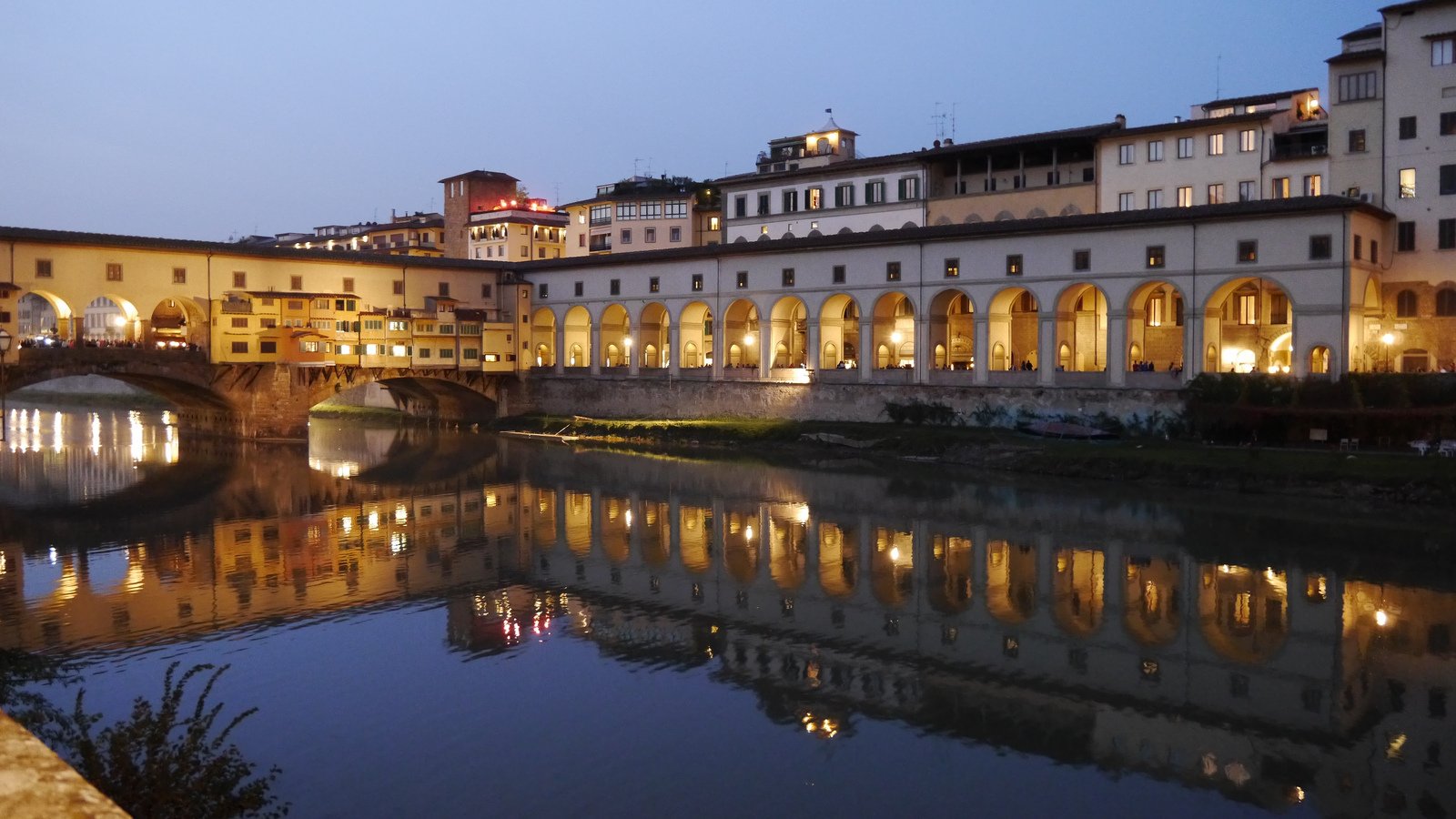
The Vasari Corridor was constructed in just five months in 1565 under the direction of Giorgio Vasari, a renowned architect and artist. It was commissioned by Cosimo I de’ Medici to create a secure, private walkway between the Medici’s residences and the seat of government at Palazzo Vecchio.
At the time, Florence was transitioning from a republic to a duchy under Cosimo’s rule, and public safety was a concern for the Medici ruler. The corridor enabled him to bypass the bustling streets, avoiding threats while reinforcing his absolute authority over the city.
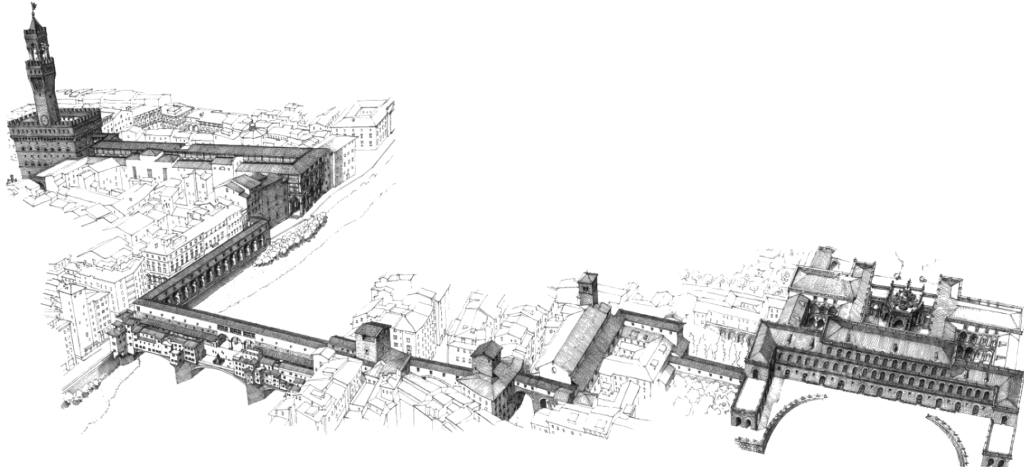
The architectural marvel, 760 meters long, begins at the Palazzo Vecchio, runs through the Uffizi, crosses the Ponte Vecchio, passes by the Santa Felicita Church, and ends in the Boboli Gardens of the Pitti Palace. The journey itself weaves through Florence’s historic heart, offering glimpses into its Renaissance splendor.
2. How Did It Change the Landscape?
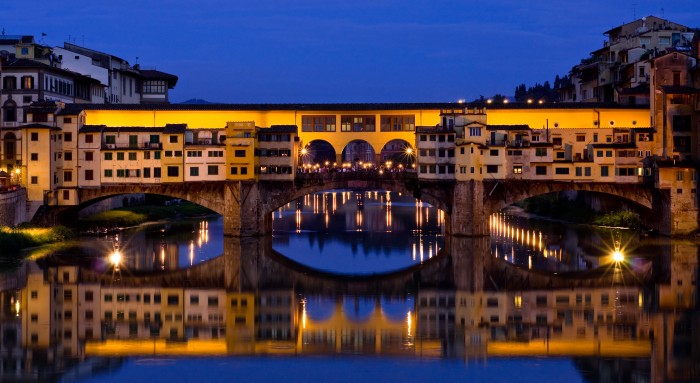
Today, the Ponte Vecchio is synonymous with luxury goldsmith boutiques, but this was not always the case. In medieval times, the bridge was home to a bustling meat market. When the Vasari Corridor was constructed, the market was relocated to spare the Medici from the unpleasant odors wafting into the passage. In its place, the goldsmith shops that now define the bridge were established, transforming the landscape into a more refined and elegant space.
The corridor’s construction also encountered a unique obstacle: the Mannelli Tower, one of the four towers originally built to protect the bridge. Unlike the others, the Mannelli Tower survived because the family staunchly refused to allow its demolition. Rather than alter the structure, Vasari designed the corridor to curve around the tower on brackets, showcasing both his ingenuity and the tower’s historical significance.
3. What Can You Find Inside?
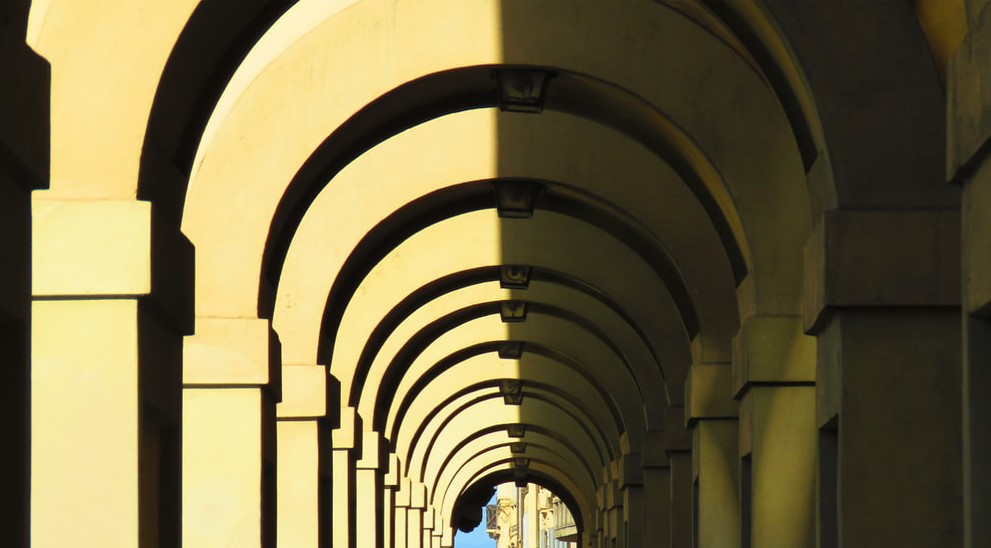
The Vasari Corridor isn’t just a passage; it’s an art gallery in the sky. Inside, visitors will find an extraordinary collection of over 1,000 paintings from the 17th and 18th centuries, including a world-renowned collection of self-portraits.
This remarkable collection was initiated by Cardinal Leopoldo de’ Medici in the mid-17th century and continues to expand. Among the masterpieces are works by artists such as Bernini, Rubens, Canova, Delacroix, and Ingres. These self-portraits offer a fascinating glimpse into the artists’ perspectives, making the corridor a unique cultural treasure.

4. Revamped and Ready: The Vasari Corridor’s Transformation
The Vasari Corridor has endured its share of challenges, including damage from a 1993 car bomb attack orchestrated by the Sicilian Mafia. The bombing caused significant destruction, particularly near the Uffizi entrance, and some artworks were irreparably damaged. Today, restored fragments of these pieces serve as poignant reminders of the event.
The Vasari Corridor’s recent €10 million makeover added modern perks like earthquake protection, sleek surveillance, and accessible ramps—blending safety with style. Visitors can now stroll through history, entering at the Uffizi, crossing the Ponte Vecchio, and stepping out into the serene Boboli Gardens.
Experience the Magic!
The Vasari Corridor’s reopening marks a new chapter for this historic marvel. Whether you’re captivated by its Medici origins, architectural ingenuity, or unparalleled art collection, walking through the corridor offers a unique perspective on Florence’s past and its enduring legacy. Don’t miss your chance to step into history this December!
Recent Comments